Guildford Borough Council rules for funeral flowers and memorials
Posted on 07/10/2026
Guildford Borough Council rules for funeral flowers and memorials: a practical local guide
If you are trying to organise a tribute, a wreath, or a small memorial in Guildford, the last thing you want is guesswork. The Guildford Borough Council rules for funeral flowers and memorials can feel a bit opaque at first, especially when you are already dealing with grief, family decisions, and timing that never seems convenient. Truth be told, most people just want to know what is allowed, what needs permission, and how to avoid a polite but awkward removal notice.
This guide explains the rules in plain English. You will find out why the council's approach matters, how funeral flowers and memorials are usually managed, what to check before placing anything, and how to choose a fitting tribute without creating problems later. Along the way, we will also cover practical steps, common mistakes, and a few local best practices that are easy to overlook when emotions are running high.
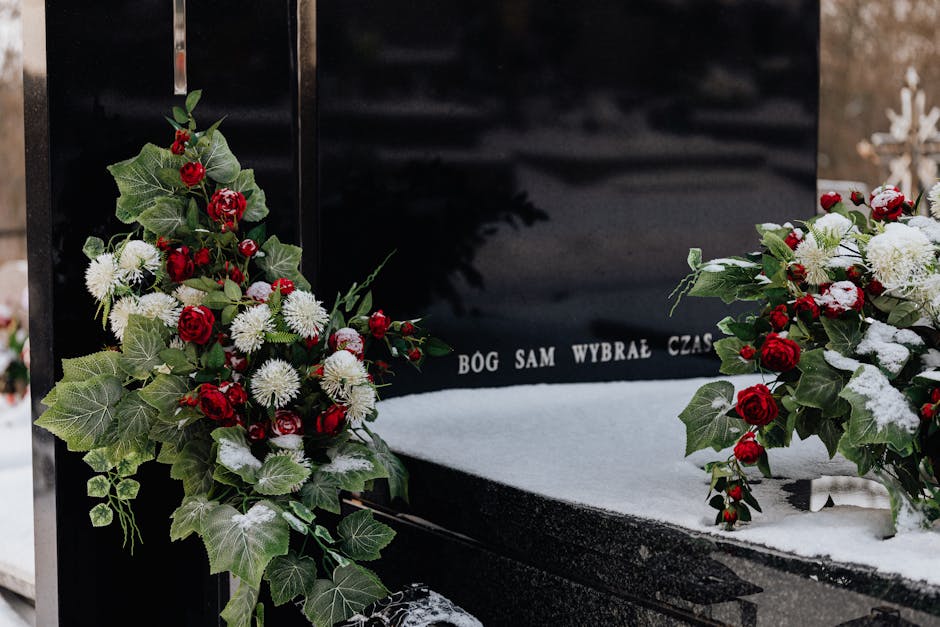
Why Guildford Borough Council rules for funeral flowers and memorials Matters
At first glance, floral tributes might seem simple. Place the flowers, maybe add a ribbon, and that is that. But in a public cemetery, crematorium, memorial garden, park, or roadside remembrance spot, things are rarely that straightforward. Councils have to balance dignity, safety, maintenance, access, and fairness to everyone using the space.
That is why the Guildford Borough Council rules for funeral flowers and memorials matter. They help prevent blocked pathways, damaged grass, unmanaged fading displays, and disputes between families about what stays and what goes. They also protect the atmosphere of a memorial setting. Nobody wants a well-meant tribute to look shabby after a week or be moved without warning. A bit of clarity goes a long way.
There is also a practical side. If you are arranging a funeral or memorial service, you may need to know whether a wreath can be displayed at the ceremony, whether flowers can be left afterwards, and whether a permanent item such as a plaque, vase, or stone marker is allowed. Those questions sound small until you are standing in the car park with flowers in hand and a time slot to keep. Happens all the time.
Expert summary: The safest approach is to treat every Guildford memorial location as having its own rules, even when the tribute itself feels "standard". Check placement, duration, size, and material before you order or install anything.
How Guildford Borough Council rules for funeral flowers and memorials Works
In practice, the rules usually depend on where the flowers or memorial are being placed. A tribute for a funeral service inside a cemetery chapel is not the same as flowers left at a graveside, and neither is the same as a permanent memorial in a public area. Most councils, including Guildford, manage these spaces with clear expectations around respect, safety, and upkeep.
Here is the simple version: temporary funeral flowers are often accepted for the ceremony and may be left for a limited period, while permanent memorial items usually need approval. The exact conditions can vary by site and by the type of memorial. That means the wording on a brochure, the cemetery register, or a direct conversation with the council matters more than a general assumption. Do not rely on what worked somewhere else.
For families, this usually breaks down into three questions:
- Can the flowers be placed here?
- How long can they remain?
- Is a permanent memorial item allowed, and if so, under what conditions?
If you are ordering sympathy flowers locally, it helps to choose arrangements that are suited to funeral settings and delivery timing. For example, a dedicated funeral flowers range is usually easier to manage than a generic bouquet, because tributes are sized and styled with the service in mind. For remembrance after the service, some families prefer a more enduring arrangement such as sympathy flowers or a formal wreath.
You may also notice that different locations within the borough handle tribute removal differently. A crematorium garden may be tidier and more structured than a cemetery graveside area, and a village burial ground may have stricter limits on what can be left behind. That is normal. The point is not to make things difficult; it is to keep the setting calm and respectful for everyone visiting later.
Key Benefits and Practical Advantages
Following the rules is not just about avoiding trouble. It actually makes the whole process easier. When tributes are arranged properly, they look better, last longer, and are less likely to be removed before the family expects them to be. That alone can save a lot of upset.
Some of the main benefits include:
- Fewer surprises on the day - no last-minute worry about whether flowers can be displayed.
- A more dignified tribute - properly sized arrangements tend to sit better in memorial spaces.
- Reduced risk of removal - council-managed sites often have tidy-up schedules, so knowing the rules matters.
- Better coordination with funeral directors - everyone is working from the same expectations.
- Less stress for family members - which, let's face it, is worth a great deal on its own.
There is also a design benefit. Funeral flowers that are chosen with the memorial setting in mind look more thoughtful. A clean white tribute, a soft pastel spray, or a traditional wreath often feels right in a council-managed space because it reads as respectful rather than intrusive. On a grey morning, with the air a bit chilly and the chapel doors opening one by one, a well-made tribute speaks for itself. Quietly, but clearly.
For readers comparing local options, it may help to look at established product types before deciding. A simple wreath, a spray, a cushion, or letter tribute each communicates something slightly different. And yes, the shape does matter. A heart can feel personal; a cross may suit a faith-based service; a posy may be more suitable for a modest graveside tribute.
Who This Is For and When It Makes Sense
This guidance is for anyone who needs to plan funeral flowers or memorial arrangements in Guildford. That includes bereaved families, executors, funeral directors, celebrants, clergy, and even friends who have been asked to organise the flowers because they are "the practical one" in the family. You know the role. It appears suddenly, usually with a lot of phone calls.
It makes sense to check the rules when you are:
- arranging flowers for a burial or cremation service in Guildford
- planning to leave flowers at a grave after the funeral
- considering a permanent plaque, vase, stone, or marker
- ordering a tribute that needs to fit a specific churchyard, cemetery, or memorial garden
- handling a multi-faith or culturally specific tribute that may have special design needs
It also matters if you are trying to keep things simple and affordable. Not every tribute needs to be large or elaborate. A smaller arrangement that complies with the site rules can be more graceful than a bigger display that causes a problem later. Some families choose a modest spray, while others want a fuller wreath or a more personalised tribute. Both can be appropriate when chosen carefully.
If you are unsure, you are in good company. A lot of people only ask about the rules after they have already ordered something. Better to check first, but if you are reading this because you are already mid-plan, that is fine too. You can still sort it out.
Step-by-Step Guidance
If you want to keep the process calm and organised, use this simple approach.
1) Confirm the exact location
Start with the specific site: cemetery, crematorium, churchyard, memorial garden, or another memorial area. The rules can differ from one place to another, even within the same borough. A family might assume all Guildford locations are managed the same way. They are not always.
2) Ask what is allowed temporarily
Temporary funeral flowers are often easier to place than permanent memorials, but even then you should confirm the expected duration. Some sites allow flowers for the day of the service and a short period after; others may have collection or removal schedules. If you do not ask, you may find the display cleared away sooner than expected. Not fun.
3) Check size, material, and fixing requirements
For memorial items, councils often care about practical details: whether the item could obstruct maintenance, whether it might damage the ground, and whether it is weather resistant. A small vase or plaque may be acceptable in one setting and not in another. Permanent items should never be guessed at.
4) Choose the right type of floral tribute
Match the tribute to the setting. For example:
- Wreaths suit formal services and memorial displays.
- Sprays work well on coffins and at gravesides.
- Posies and baskets are often more compact and easier to place.
- Letter tributes or themed designs can feel very personal, but they need more space.
For more specific product inspiration, you might compare a sympathy selection with dedicated memorial styles such as letter tributes or a formal tribute spray. These are not just pretty labels; they help the florist and the family align the design with the ceremony.
5) Plan delivery and timing carefully
Timing matters more than most people think. Delivering too early can create storage issues. Delivering too late can be devastating on the day. If possible, arrange the flowers so they arrive close to the service window. If the tribute is for a remembrance event, check whether the site allows placement before attendees arrive.
6) Keep a record of what you were told
Make a note of the guidance you received, especially if several family members are helping. A quick written note about where the flowers go, how long they can stay, and who will collect them can prevent crossed wires later. A simple message thread does the job nicely, even if it is a bit messy. That is life.
Expert Tips for Better Results
In our experience, the best funeral flower arrangements are the ones that feel thoughtful without trying too hard. Here are a few small but valuable tips that make a real difference.
- Keep the tribute proportionate to the space. A large arrangement can overwhelm a small grave plot or memorial area.
- Choose sturdy flowers if the tribute will sit outdoors for any length of time. Roses, chrysanthemums, lilies, and carnations are common choices because they hold up fairly well.
- Use wording that is clear and respectful on ribbons and cards. Short often works best.
- Consider the weather. A windy winter afternoon on the edge of Guildford is not the place for a delicate display that topples over at the first gust.
- Ask about maintenance schedules if the flowers are being left at a council-managed site. It helps you manage expectations.
A small practical point: if family members are choosing different arrangements, try to keep the palette coordinated. White and green is a classic funeral combination, while soft pinks, purples, and mixed whites can also work beautifully. Too many contrasting styles can make the memorial area feel cluttered. A little restraint goes a long way.
Another useful habit is to choose a florist who understands funeral logistics, not just floral design. That means they will think about delivery windows, ceremony order, card placement, and whether the arrangement is suitable for a crematorium chapel, graveside, or memorial table. It is the boring stuff that saves the day, honestly.
Common Mistakes to Avoid
Most problems with funeral flowers and memorials are avoidable. They usually come down to assumptions, rushed ordering, or not checking the site-specific rules.
- Assuming all memorial spaces allow the same things. They do not.
- Ordering a display that is too large for the available space.
- Using materials that are not suitable outdoors, such as fragile containers or unsecured decorations.
- Leaving a tribute without knowing how long it can remain.
- Ignoring faith or cultural preferences that may affect tribute style or wording.
- Forgetting to check delivery timing with the service schedule.
One of the most common issues is the "we'll just leave it there" approach. It sounds harmless, but in a managed cemetery that can lead to the tribute being moved, removed, or damaged during maintenance. Not because anyone is being awkward. Just because someone has to mow, tidy, and keep paths clear. The practical side wins.
Another easy mistake is choosing a tribute based only on photos. A wreath that looks compact online may still be wider than you expect, and a letter tribute can require more room than a traditional spray. If space is tight, ask for dimensions. It is a basic question, but a good one.
Tools, Resources and Recommendations
You do not need a complicated toolkit to manage funeral flowers and memorial planning, but a few simple resources make the process much smoother.
- Service details sheet - keep the date, time, location, and contact person in one place.
- Photo or sketch of the memorial area - useful for judging size and placement.
- Checklist for council permissions - especially for permanent memorial items.
- Florist order notes - include ribbon wording, delivery instructions, and any colour preferences.
- Family contact list - helps avoid duplicate orders and confusion.
If you are browsing options, it can help to compare funeral-specific products with more general sympathy items. For example, a formal funeral card can accompany the tribute neatly, while a structured arrangement like a spray or a wreath often suits a council-managed memorial space better than an oversized mixed bouquet.
For families who want something more personal, a named tribute can feel especially meaningful. Items such as our mum tribute, loving dad tribute, or a more custom-made option can work well when the site allows the size and style. The main thing is to make the tribute feel considered, not crowded.
Law, Compliance, Standards, or Best Practice
This is the part most people would rather skip, but it matters. While specific policies vary by site, council-managed memorial areas in the UK usually operate under a combination of cemetery rules, health and safety duties, grounds maintenance needs, and local expectations around respectful use of public space. That means the rules can cover what is installed, where it is installed, how it is fixed in place, and whether it can remain indefinitely.
For funeral flowers, the key compliance concern is usually not "permission" in the legal sense but site management. Temporary tributes often have a short lifespan because they are part of a service, not a permanent fixture. For memorials, there is often a stronger need for approval, especially if the item is heavy, fixed, engraved, or likely to affect maintenance. A council needs to ensure the area can still be kept safe and tidy.
Best practice is straightforward:
- check the specific cemetery or memorial area rules before ordering
- confirm whether temporary flowers and permanent memorial items are treated differently
- avoid anything that could trip, obstruct, or damage ground maintenance equipment
- use durable materials where the item will be outdoors
- keep memorial wording respectful and clear
Where faith, culture, or family tradition matters, it is sensible to raise that early. Many tribute styles can be adapted respectfully, whether that means colour choice, symbol shape, or wording. For example, a faith-shaped tribute or cultural design may be suitable in some settings, but still need to fit the council's space and safety expectations. The rule of thumb? Ask first, personalise second.
Options, Methods, or Comparison Table
If you are deciding what kind of tribute to order, this comparison may help. It keeps things simple without taking away the dignity of the occasion.
| Tribute type | Best for | Advantages | Watch-outs |
|---|---|---|---|
| Wreath | Formal funerals, remembrance, chapel displays | Classic, respectful, compact enough for many settings | Can still be too large if the space is limited |
| Spray | Coffins, gravesides, services | Versatile and elegant | Needs checking for size and placement |
| Posy or basket | Smaller memorial spots, simpler tributes | Easy to place, neat appearance | May feel too understated for some families |
| Letter tribute | Highly personal dedications | Very meaningful, recognisable names or initials | Needs more space and planning |
| Cushion or heart | Personal remembrance, family tributes | Feels intimate and expressive | Can be vulnerable in wind or rain if not secured properly |
| Permanent memorial item | Long-term remembrance in approved areas | Durable and lasting | Usually needs formal permission and may be restricted |
If you are unsure, a florist can usually help you narrow the choice. A good one will ask the right questions instead of pushing the biggest arrangement on the page. That sort of practical restraint is underrated.
Case Study or Real-World Example
Here is a very typical local scenario. A family in Guildford is arranging a graveside service for a loved one and wants white flowers with a simple card message. One relative assumes they can leave a large tribute and a few personal keepsakes at the graveside indefinitely. Another relative thinks that sounds fine, because it is a memorial and "surely that is allowed".
Before ordering, they check the cemetery guidance and learn that temporary flowers are welcome for the service, but larger or lasting items need approval, and anything left behind must not obstruct maintenance. They choose a neat wreath and a smaller posy instead of one oversized display. The florist delivers close to the service time, the family places the card, and the area stays tidy afterwards.
Nothing dramatic happened, which is exactly the point. The day felt calm. The flowers looked right. Nobody had to move things at the last minute or worry about a notice later on. Small decision, big relief.
That is usually how the best outcomes happen: not with a grand gesture, but with a few sensible checks beforehand.
Practical Checklist
Use this checklist before placing or ordering funeral flowers and memorial items in Guildford.
- Confirm the exact venue or memorial location.
- Ask what temporary flowers are allowed and for how long.
- Check whether permanent memorial items need approval.
- Measure or estimate available space.
- Choose a tribute style that fits the setting.
- Confirm delivery timing with the service schedule.
- Decide on ribbon or card wording in advance.
- Ask about outdoor durability if the tribute will stay in place.
- Keep a record of permissions or guidance given.
- Arrange who will collect, move, or monitor the tribute afterwards if needed.
Quick takeaway: if the tribute is temporary, keep it simple and well-timed; if it is permanent, expect to seek approval and follow site-specific requirements. That simple distinction solves a lot of confusion.
Get a free quote today and see how much you can save.
Conclusion
Guildford Borough Council rules for funeral flowers and memorials are really about respect, practical planning, and making sure a tribute can be placed without problems later. Once you understand the difference between temporary flowers and lasting memorial items, the process becomes much less stressful. You do not need to overcomplicate it. You just need the right information at the right time.
Whether you are ordering a wreath, a spray, a sympathy basket, or a more personal tribute, the sensible path is the same: check the location, confirm the rules, choose a fitting design, and keep the timing tight. It is one of those tasks that feels heavy at first, then settles once the details are clear.
And if you are in the middle of arranging all this now, take a breath. You are doing better than you think.

Frequently Asked Questions
What are Guildford Borough Council rules for funeral flowers and memorials?
They are the local rules and expectations that govern where funeral flowers and memorial items can be placed, how long they can stay, and whether any permanent items need permission. The exact details depend on the specific site.
Can I leave funeral flowers at a grave in Guildford?
Often yes, but the duration and style may be limited by the cemetery or memorial site. Temporary flowers are usually easier to place than permanent objects, but you should still check the specific rules first.
Do I need permission for a permanent memorial item?
Usually, yes. Permanent items such as plaques, vases, stones, or other fixed memorial features commonly require approval because they affect maintenance, space, and safety.
How long can funeral flowers stay after the service?
That varies by location. Some sites allow flowers for a short period after the funeral, while others have set removal schedules. It is best to ask before the service rather than assume they can remain indefinitely.
What type of flowers are most suitable for memorials?
Classic, sturdy flowers such as roses, lilies, carnations, chrysanthemums, and alstroemeria are common choices. The best option depends on the setting, the season, and how long the arrangement will be displayed.
Are wreaths or sprays better for council-managed memorial areas?
Both can be suitable. Wreaths are often preferred for formal remembrance, while sprays are common for casket and graveside tributes. The best choice usually comes down to space, timing, and family preference.
Can I personalise funeral flowers with a name or message?
Yes, in many cases you can. Ribbon wording, tribute lettering, and card messages are common ways to personalise an arrangement. Just keep the wording clear, respectful, and consistent with the tone of the service.
What happens if I place a tribute that breaks the rules?
It may be moved or removed by the site team, especially if it blocks access, creates a hazard, or conflicts with maintenance requirements. That is why it is worth checking first, even for small items.
Is it better to use a local florist for funeral flowers in Guildford?
Usually yes, because a local florist is more likely to understand delivery timing, local venue needs, and the types of tribute that work best in council-managed spaces. They can also help you avoid over-ordering.
What if the family wants a very personal tribute style?
That can often be arranged, but it is wise to confirm the site rules first. Personal tributes are lovely, but they still need to fit the space and comply with any restrictions on size or materials.
How do I avoid last-minute problems on the day?
Confirm the venue rules early, write down delivery details, choose an arrangement suited to the space, and make sure one person is responsible for checking the tribute plan. A five-minute check can save a lot of stress later.
What is the safest approach if I am unsure about the rules?
Keep the tribute temporary, compact, and respectful, then ask for guidance before ordering anything permanent. If you are still uncertain, choose a simpler design and verify the details with the site contact or funeral director.


